Why Belly Fat Is So Hard to Lose After 40 (And What Most People Miss)
Many people notice that belly fat becomes more stubborn with age. Even when eating better and staying active, the midsection often refuses to change. This isn’t about effort. As we get older, the body’s metabolism, digestion, and internal balance change. Stress, sleep quality, and how the body processes nutrients all play a role.
Why common approaches stop working
Extreme dieting can slow metabolism. Long workouts increase hunger and fatigue. And focusing only on calories ignores what’s happening inside the body. That’s why many people feel frustrated — they’re doing everything “right,” yet results don’t last. This is why some people are now exploring a gentler daily approach that supports metabolism and digestion instead of fighting the body.
A more supportive mindset

Take a look
Unlocking Midlife Belly Fat Mysteries

Beyond Calories: Metabolism & Digestion

Optimize Metabolic Health
Focus on nutrient-dense foods and strength training to boost your metabolism. Building lean muscle mass is key to increasing your resting calorie burn and improving overall metabolic function.
Support Gut Microbiome
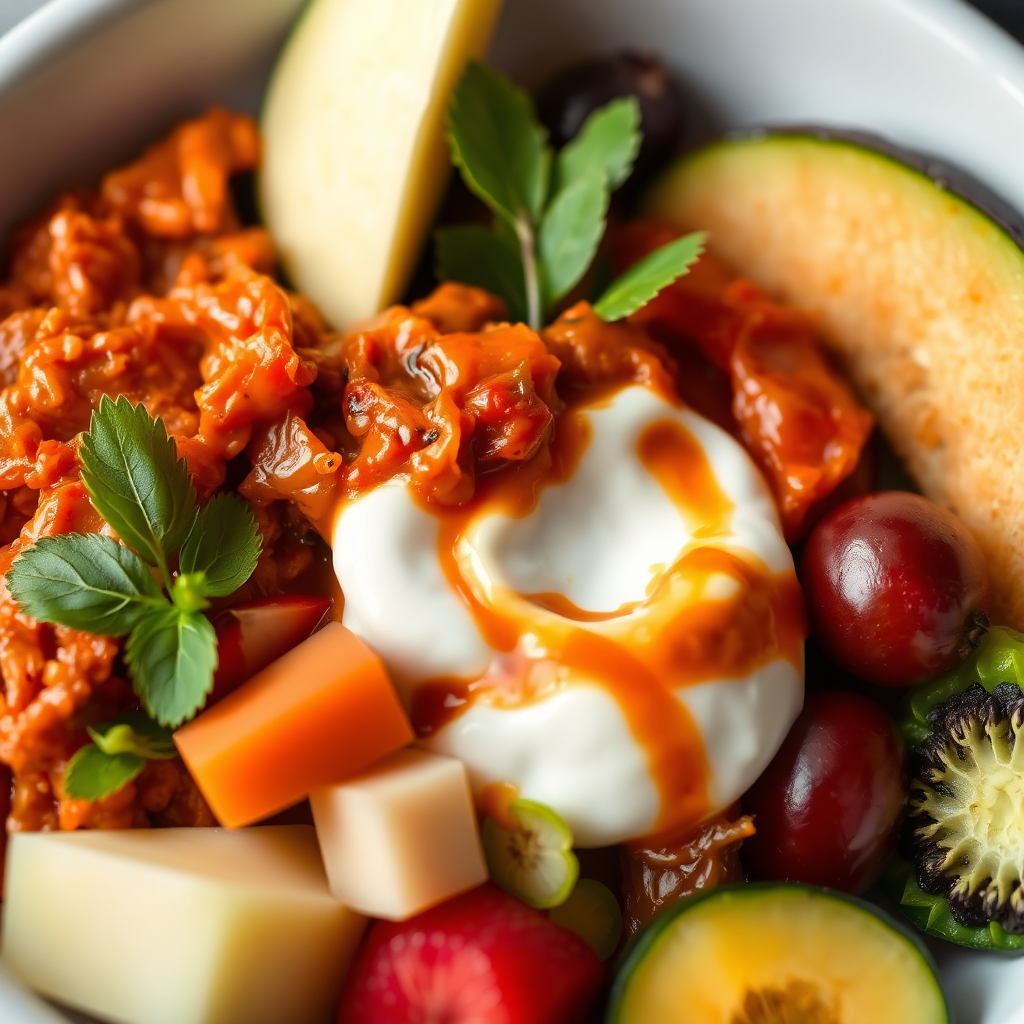
A healthy gut is vital for digestion and nutrient absorption, directly impacting weight management. Incorporate probiotics and fiber-rich foods to foster a balanced gut environment and reduce inflammation.

Enhance Nutrient Absorption
Even with a good diet, poor digestion can hinder nutrient uptake. Consider digestive enzymes or mindful eating practices to ensure your body fully utilizes the vitamins and minerals it needs for optimal function.
Sustainable Belly Fat Management
Mindful Stress Reduction
Chronic stress elevates cortisol, promoting belly fat storage. Integrate daily mindfulness, meditation, or gentle yoga to lower stress levels and support your body's natural fat-burning processes.
Targeted Movement Strategies
Beyond cardio, incorporate strength training and high-intensity interval training (HIIT) tailored for midlife. These boost metabolism and build muscle, crucial for reducing stubborn abdominal fat effectively.
Nourish with Whole Foods
Prioritize a diet rich in whole, unprocessed foods, lean proteins, and healthy fats. This approach stabilizes blood sugar, reduces cravings, and provides essential nutrients for sustained energy and fat loss.